Shape and proportions
For shoes, bags, hoodies, and accessories, compare the overall shape with seller photos and recent buyer examples. Large shape differences usually matter more than tiny photo lighting changes.
 Litbuy Spreadsheet
Litbuy QC photos guide
Use this guide after warehouse photos arrive. Check shape, color, size, labels, stitching, hardware, print placement, packaging, and visible defects before you approve an item for shipping.
Warehouse photo checklist
Spreadsheet links can look strong in a preview, but warehouse QC photos show what actually arrived. Do not approve shipping until the visible details match the item you expected to receive.
For shoes, bags, hoodies, and accessories, compare the overall shape with seller photos and recent buyer examples. Large shape differences usually matter more than tiny photo lighting changes.
Check tag placement, label spelling, logo position, embroidery, screen prints, texture, and obvious alignment problems before accepting the item.
Ask for measurement photos when sizing is risky. Confirm color in multiple angles because seller photos, warehouse lighting, and product batches can differ.
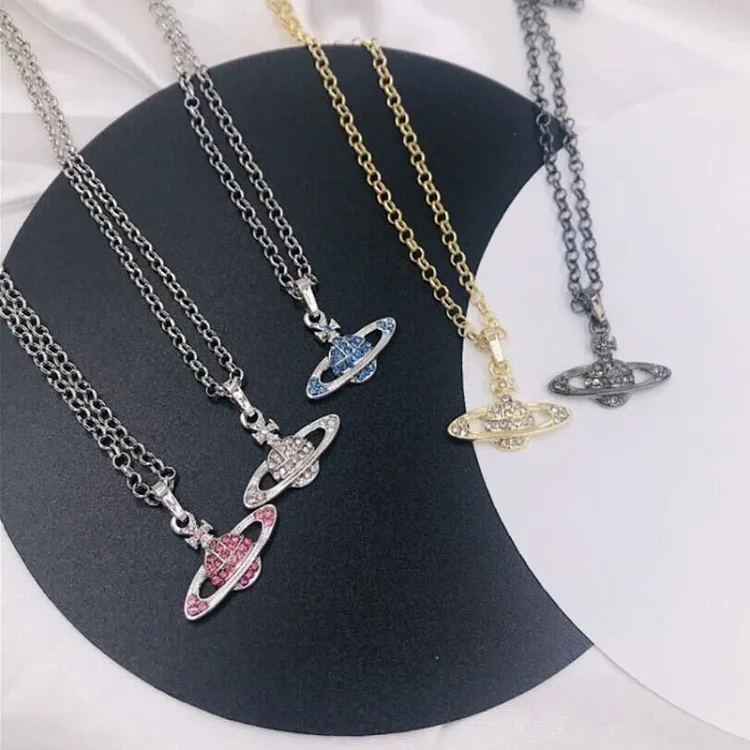
Real Litbuy QC review example · Product ID 7502434727
This necklace comes in several chain and pendant finishes, so the selected color and small hardware details deserve a closer look before approval.
Before and after QC
Start with the product-to-QC workflow if you need help matching a find, Product ID, source listing, warehouse receipt, and shipping decision. Then return here for the detailed image checks.
Return to the homepage when the current item fails QC and you need another category route or featured find to compare.
Use this to judge whether the original spreadsheet gave enough context, link quality, and QC support before you trusted the find.
Use the FAQ for quick answers about what QC photos are, how links should be checked, and how this guide connects to Litbuy ordering.
Use the workflow page when you need the order of steps from product find and Product ID checks to warehouse QC and shipping approval.
Extra photo requests
If the first QC set is blurry, cropped, too dark, or missing a key detail, request another angle before shipping. This is especially useful for soles, tags, hardware, measurements, electronics ports, and visible flaws.
Request both shoes together, side profiles, toe box, heel, outsole, size tag, box label, and close-ups of any glue, stitching, or logo issue.
Check front, back, tag, print placement, collar, cuffs, hem, measurements, and fabric texture. For oversized pieces, confirm chest width and length.
Look at stitching, hardware, zipper movement, straps, interior, logo placement, shape, packaging, and any scratches or dents visible before shipping.
QC by category
A single QC checklist is not enough for every product. The strongest review changes by category, because shoes, hoodies, bags, pants, electronics, and T-shirts fail in different ways.
Ask for both shoes together, side profiles, toe box, heel tabs, outsole, size tag, box label, and close-ups of glue or stitching issues.
Check fabric weight, hood shape, sleeve length, print placement, embroidery, wash tags, neck labels, and color consistency.
Review front shape, side profile, bottom panel, straps, zippers, clasps, chain color, interior, logo placement, and packaging.
Request waist, inseam, thigh, rise, leg opening, wash color, distressing placement, hardware, pocket shape, and label photos.
Confirm model labels, ports, included cable, plug type, box condition, serial markings, visible damage, and any shipping restrictions.
Review collar ribbing, shoulder width, chest width, body length, print scale, print edges, fabric texture, and neck or wash tags.
QC decision process
Good QC review is not about finding perfection in every photo. It is about deciding whether the actual item still matches the listing, the category expectations, and your reason for buying it.
Small lighting differences, harmless packaging dents, mild fold marks, and tiny photo-angle differences are usually less important than shape, size, color, and construction. If the item still matches the product page and the key details are visible, the find may still be usable.
Ask for more photos when the warehouse set hides the exact risk area. Common examples include cropped size tags, missing outsole photos, no measurement tape, blurry hardware, hidden interior photos, or electronics shown only inside packaging.
Reject the item when photos show the wrong product, wrong color, wrong size, major stains, broken parts, poor shape, missing key pieces, or a detail that clearly does not match the listing. The Litbuy buyer checks page explains why a spreadsheet link should never override QC evidence.
Litbuy QC photo FAQ
Use these answers when warehouse photos look almost right, but one detail still needs a closer look before approval.
Ask for another photo before approving shipping. Blurry images are not enough when size, tags, print placement, stitching, or hardware details matter.
Request measurements for pants, hoodies, tees, and any item where fit is the main risk. Size charts and real measurements can differ.
Reject or return the item when QC photos show the wrong size, wrong color, major shape issues, visible damage, or a product that does not match the listing.
After QC passes, use the Litbuy Shipping Guide to review parcel weight, packaging, shipping restrictions, and final value. If you are still comparing items, return to the Litbuy Spreadsheet homepage or the Best Litbuy Spreadsheet guide before ordering more links.
The How to Use Litbuy Spreadsheet page explains the full sequence: browse categories, verify links, order through Litbuy, review QC photos, request extra proof when needed, then approve shipping only after the product and parcel both make sense.